GHK-Cu Copper Peptides: The Science of Skin Repair
GHK-Cu is the copper peptide everything else is measured against. Here's what it does, why your skin has less of it with age, and how to use it.
There are ingredients that make your skin look better for a few hours, and there are ingredients that change how your skin behaves. GHK-Cu belongs firmly in the second group — it's the copper peptide most others are compared to, and it's worth understanding why.
Something your body already makes
GHK-Cu was discovered in human blood back in 1973 — it's a natural complex your body produces. The catch is that you make far less of it as you age. At 20 your blood is rich with it; by 60 there's a fraction left. A lot of what we think of as 'ageing skin' is really skin that's lost this repair signal.
What it does
Think of GHK-Cu as a project manager for your skin. It signals your cells to clear away old, damaged tissue and produce fresh collagen and elastin in its place. That's why it's linked with firmer, smoother, more even skin over time, and why it's a mainstay of post-procedure recovery — it guides the skin toward rebuilding properly rather than scarring.
How to use it
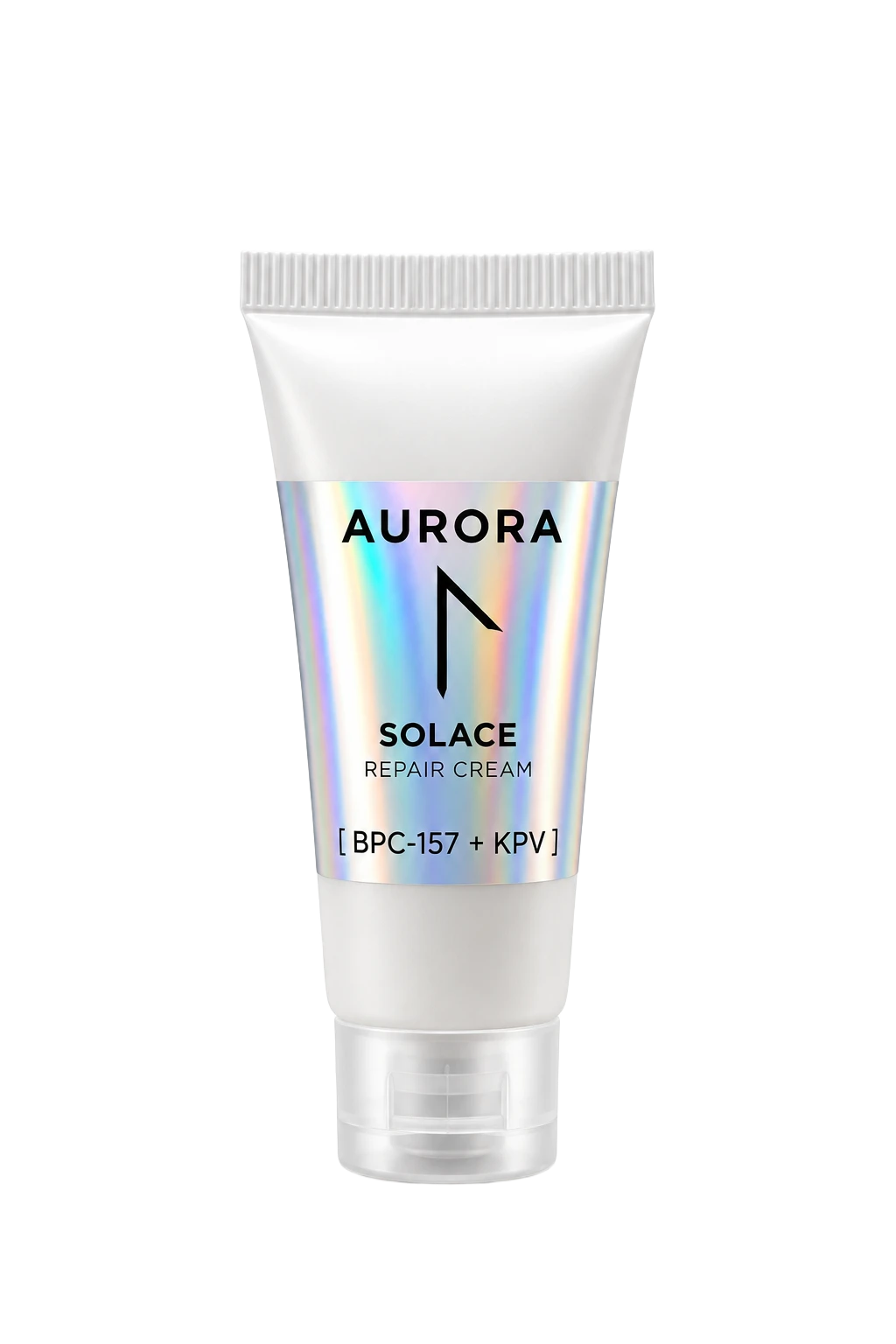
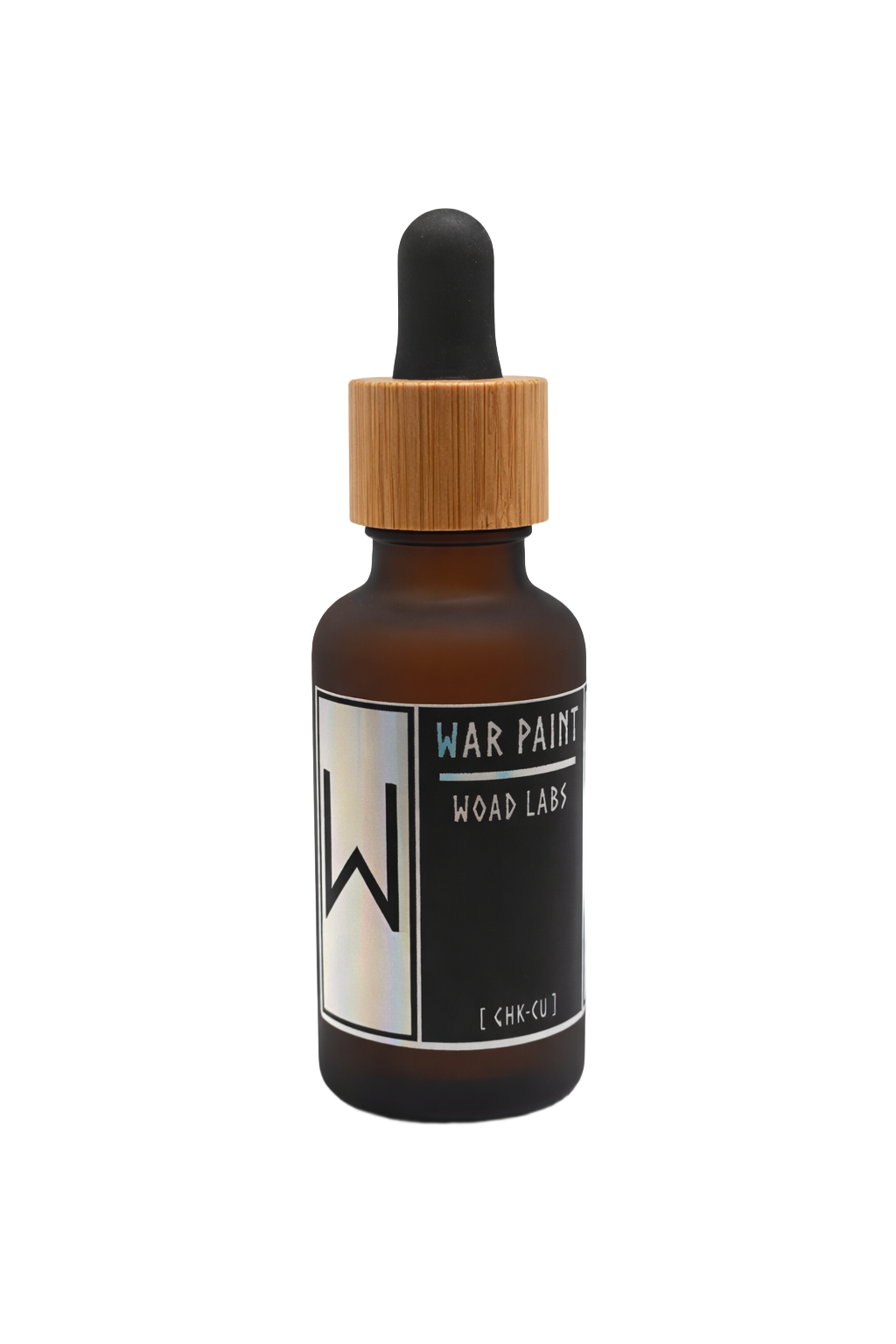
War Paint (Woad) and Northern Light (Aurora) both carry a high load of GHK-Cu. Press one to two droppers into clean skin, morning and night. Keep it away from strong acids and high-strength vitamin C in the same step — they break the copper bond and waste both. If you use acids, use them at a different time of day.
Give it consistent daily use over several weeks. This is a rebuilding process, and rebuilding takes time — but it's the kind of change that lasts.