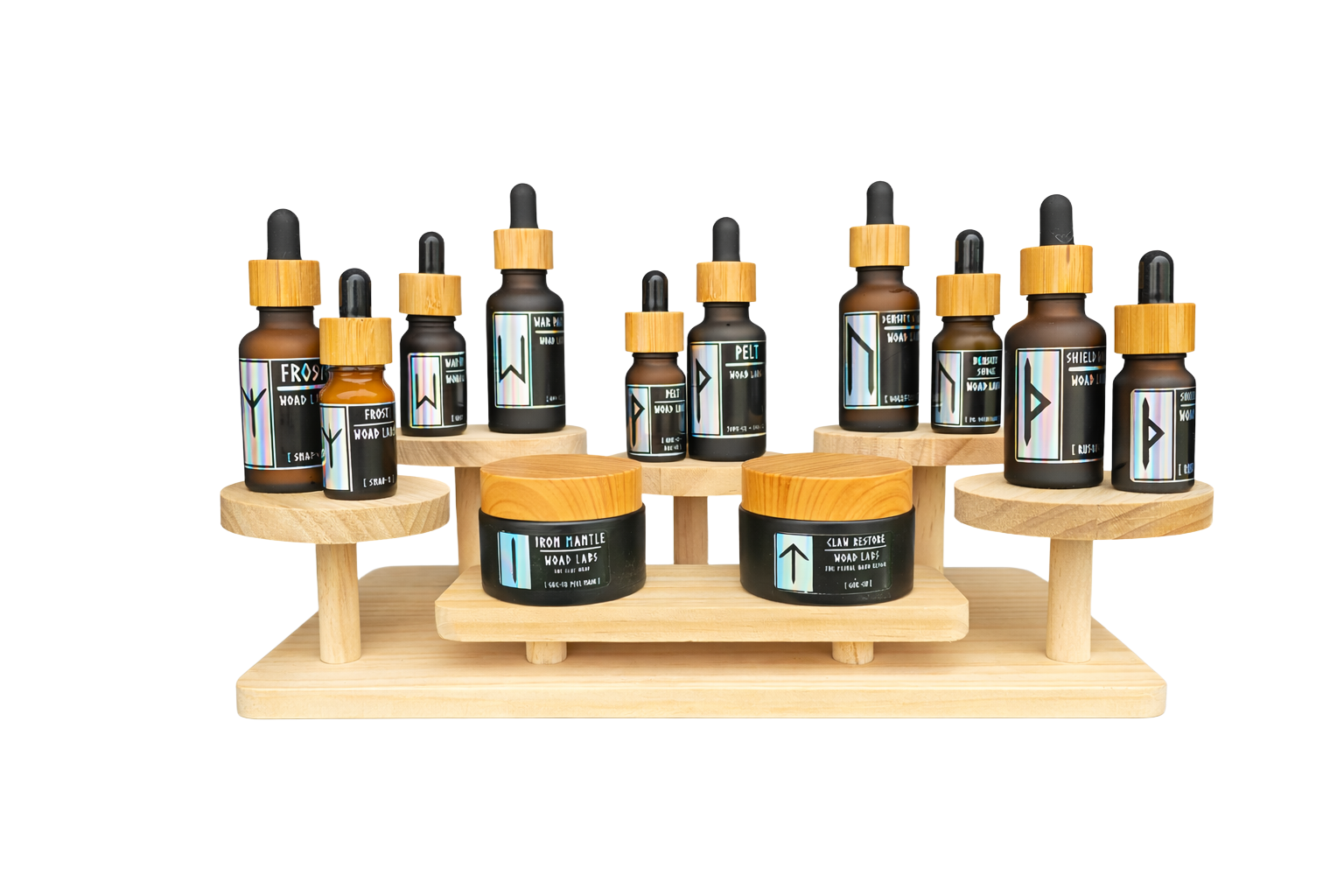
Why We Make Skincare in Small, Fresh Batches
Peptides degrade over time on a shelf. Here's why we make in small batches, and what that means for the potency of what you put on your skin.
There's a reason a lot of mass-market skincare can sit in a warehouse for a year or more: it's built to survive that. Ours isn't — deliberately. We make in small, fresh batches, and it comes down to one simple fact about peptides: they don't stay potent forever.
Peptides have a clock on them
Peptides are delicate biological signals. Over time, especially once mixed into a formula, they slowly break down and lose activity. A peptide serum that's spent eighteen months in a hot distribution centre may still look and smell fine, but be a shadow of its stated strength by the time it reaches you. You'd be paying for a number on a label, not what's actually in the bottle.
Why small batches
By making in small runs and turning stock over quickly, we keep the gap between mixing and using short. That means the concentration on the label is close to what's genuinely in the bottle when you apply it. It's more work and less convenient than making huge batches once a year — but it's the only honest way to sell high-strength peptides.
How to keep yours fresh
You can help too. Store your serums somewhere cool and out of direct sunlight — a cupboard, not a sunny windowsill — and keep the caps on tight, since light, heat and air all speed up degradation. Use minis and opened bottles within a reasonable time rather than stockpiling them for years.
The takeaway
Freshness isn't a marketing flourish for peptides — it's the difference between a product that works and one that used to. Small batches are simply how we make sure what you put on your skin is still doing what it promises.


